
Nice, France: Immersing Yourself in Local Life, Culture, and the Coastal Vibe
Published
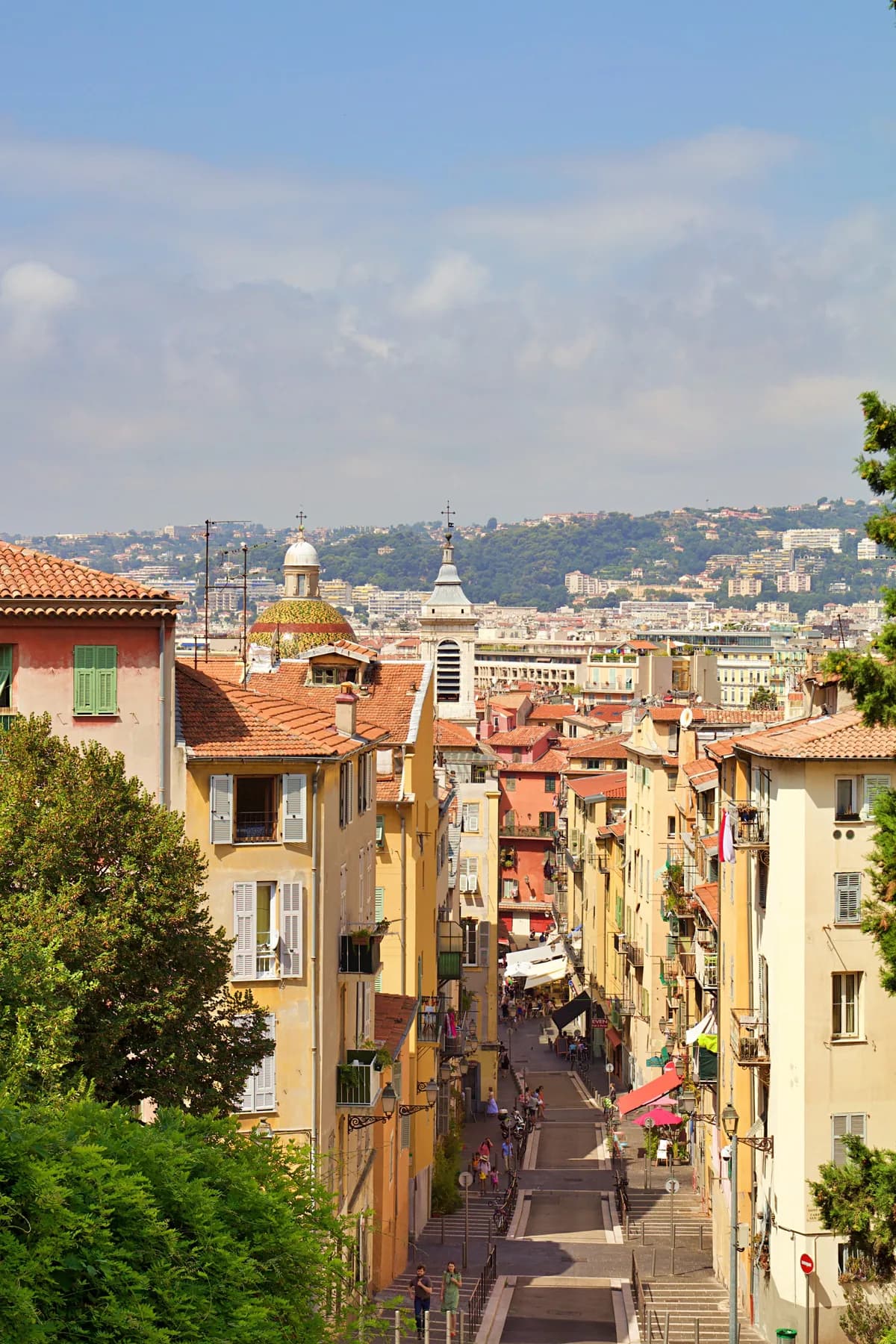
Nice is so much more than a glossy postcard; it is a city where the coastal atmosphere and daily life intertwine in a quiet, steady rhythm. Far removed from the flashy allure of Cannes or the manufactured glitz of Monaco, Nice breathes through a genuine local culture shaped by its weather, its vibrant markets, and the magnetic pull of the sea. Whether you are initially drawn in by the Nice Jazz Festival, the vibrant Nice Carnival, or the iconic French Riviera beaches, the real magic is found in how the Niçois navigate the changing seasons, balancing the demands of work with their deep-rooted Mediterranean heritage. This isn't a checklist of sights; it is a reflection of the values that make Nice a home, offering a way to experience the city long after the summer crowds have faded.
First impressions set the tone. Step out of the Nice-Ville station and the air already carries the tang of sea salt mixed with the aroma of fresh** socca** (a crispy chickpea pancake) sizzling on street stalls. The Promenade des Anglais is undeniably alive—filled with local joggers, kids kicking footballs, and overflowing bakery terraces. But the true essence of Nice reveals itself in the labyrinthine alleys of Vieux Nice (Old Town), where the streets smell of freshly fried Ganses during the carnival season. Here, the weather is a constant, reliable companion: mild winters and warm summers mean life is lived outdoors. Even in the depths of December, families gather for beachside picnics while others sip a café crème at sun-drenched terrace tables.
What sets Nice apart is that its culture isn't put on for show; it is a daily habit. The Nice Jazz Festival is not merely a July calendar entry; it is the peak of a year-round passion that keeps intimate venues like Shapko and Balthazar packed night after night. Similarly, the Nice Carnival in February is much more than a fleeting parade. It is a month-long celebration marked by traditional Farandole dances echoing through the squares, spontaneous confetti battles in narrow streets, and the comforting smells wafting from corner bakeries. These are not tourist attractions; they are the very pulse of the city.
The Coastal Rhythm: How the Mediterranean Shapes the Day
The sea doesn't just border Nice—it dictates its heartbeat. At dawn, long before the city wakes up, the shoreline belongs to the locals getting their morning run in. By noon, as the Promenade des Anglais shifts into a runway for pigeons and pastry deliveries, Port Lympia hums with the rugged energy of fishermen unloading their daily catch. When May arrives, the European Night of Museums transforms this atmosphere into a cultural feast, with live music spilling out from the Musée Matisse and Musée Marc Chagall, turning the city into an open-air gallery. Yet, the most profound beauty lies in the mundane: an elderly man deep in a game of pétanque at dusk, the 7:00 AM queue outside a beloved bakery, or the way the late afternoon light shifts dramatically across the Baie des Anges (Bay of Angels).
Locals often speak of la dolce far niente (the sweetness of doing nothing), but in Nice, this concept is highly practical: time is simply best spent near the water. Families claim their spots on the public beaches for elaborate picnics, while office workers manage to squeeze in a quick swim during their lunch breaks. The tram network (Lines 1, 2, and 3) efficiently connects the city, but the prevailing mode of transport is the sea breeze itself. Even in the heart of winter, the beaches offer quiet refuge, the cafes remain invitingly warm, and the neighborhood jazz clubs are filled with locals nursing a glass of pastis.
Cultural Beats: Festivals as Community Rituals
The festivals in Nice are genuine community rituals, entirely devoid of tourist-trap artificiality. The Nice Jazz Festival thrives far beyond the main stages, finding its true soul in subterranean spots where jazz has echoed since the 1940s. The Carnival, too, is about far more than elaborate costumes; it is anchored in heritage, like joining hands for the massive Farandole circles in Place Garibaldi. Every May, the European Night of Museums sees the city turn into a living exhibition, with locals loyally returning to the MAMAC or the Beaux-Arts for atmospheric night tours. Even the December Christmas markets in Place Pierre Gautier manage to retain the warmth of an intimate neighborhood gathering.
What many visitors fail to grasp is how seamlessly these events weave into the fabric of ordinary life. A dedicated jazz aficionado might easily stumble into a breathtaking jam session on a random Monday, just as a carnival purist will hoard confetti for weeks leading up to February. The weather, naturally, plays a defining role: heavy autumn rains might wash out a beach day, but they instantly fill classic cinemas like Pathé Nice. The trick to loving this city is to abandon rigid itineraries and simply surrender to its natural tempo.
The Quiet Rebellion of Vieux Nice
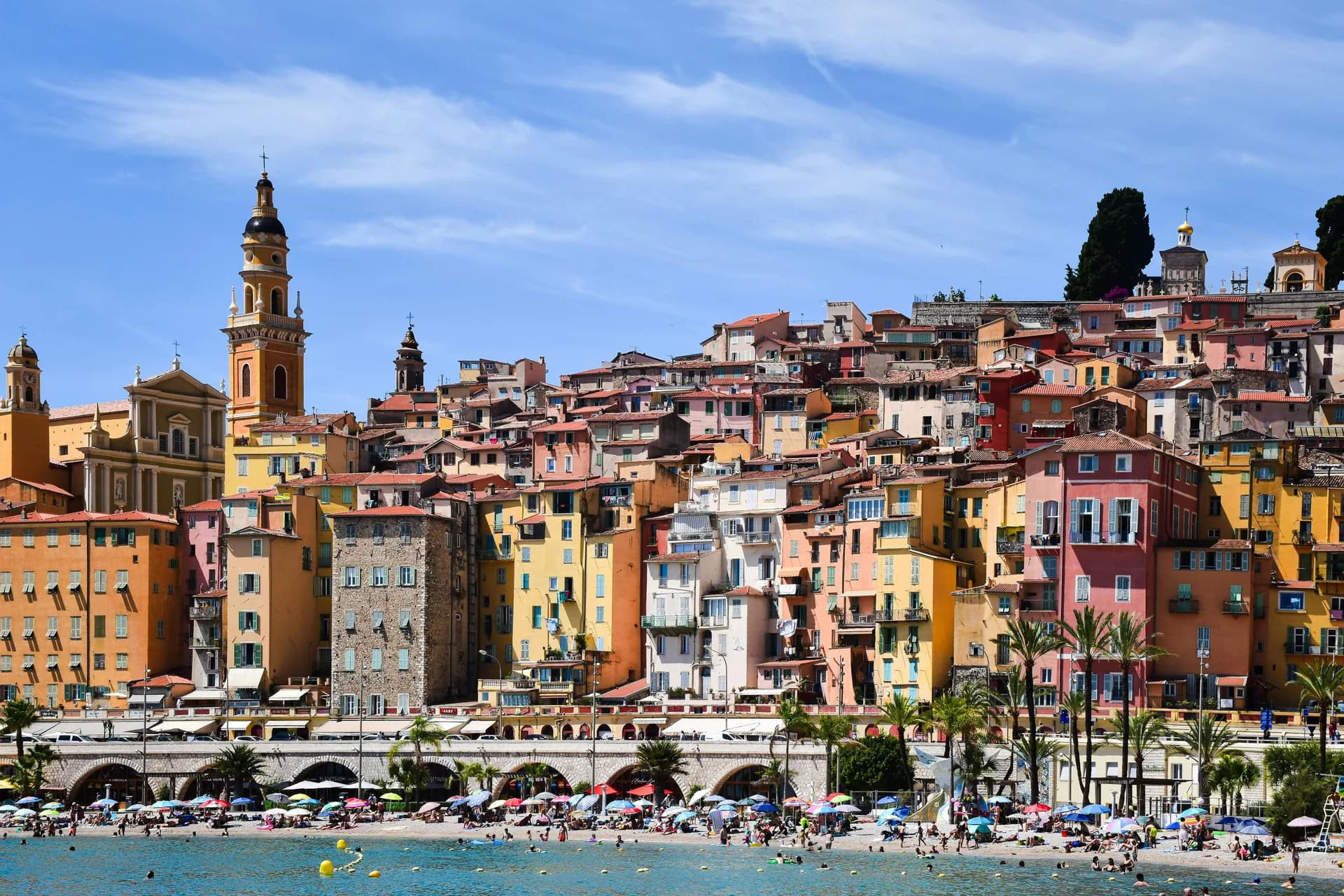
Vieux Nice is where the city actively pushes back against its own ritzy reputation. The Cours Saleya market is not just a place of commerce; it is a vital social nexus. While vendors passionately haggle over the price of figs, olives, and fresh tapenade, residents catch up on gossip over fresh juice at adjacent tables. Street performers may use the market as a backdrop, but the real theater is the locals debating produce prices or collectively complaining about tram delays. This is the unpolished, unhurried, and deeply human core of Niçois culture.
Even the stonework tells a story. Rue de France is peppered with charming boutiques dealing in local ceramics and Côte d’Azur vintages, while the majestic Cathédrale Sainte-Réparate stands as a proud testament to the city’s Provencal roots. High above, Colline du Château (Castle Hill) remains the undisputed local favorite for a sunset apéritif, offering sweeping, uninterrupted views of the entire bay. It is these authentic, lived-in details that ground the city.
Unspoken Rules: The Unwritten Etiquette of Nice
The Niçois live by a strict, albeit unspoken, code: respect the pace of life. Meals are pushed late (lunch strictly around 1:00 PM, dinner never before 8:00 PM), lingering after eating is practically mandatory, and rushing a barista is a cardinal sin. Sartorially, the city leans into smart casual; locals favor well-cut jeans paired with blazers and would never dream of walking through the historic center in swimwear. And it is absolutely essential to eat socca straight from a street vendor's cart—at roughly €4.50 in 2026, it is the cheapest and fastest way to feel like you belong.
What the guidebooks routinely gloss over is the profoundly collective nature of the culture here. A birthday dictates a sprawling family feast at a bustling corner bistro; a public holiday means gathering on the Promenade to watch fireworks light up the Mediterranean. Whether it is the energy of the Jazz Festival, the chatter of a morning market, or the quiet shared moment of a beach sunset, this city experiences life together. To truly tap into the local vein, bypass the tourist traps, seek out everyday markets like Libération, and confidently order a pastis while striking up a conversation with the bartender. The actual soul of Nice is found right there, balancing perfectly on the edge between a relaxed seaside enclave and a thriving, complex metropolis.
Frequently asked questions
- When is the absolute best time to experience the authentic culture of Nice?
For the perfect blend of outdoor living and vibrant festivals, aim for spring (March–May) or** autumn (September–October). If you want to get swept up in the world-renowned Nice Jazz Festival, July is mandatory; however, if you're after a slower, more authentic market experience, the shoulder seasons are far better. Winter brings its own distinct magic, culminating in the spectacular Carnival** every February.
- How does the coastal climate actually dictate daily life for the Niçois?
Everything revolves around the Mediterranean climate, characterized by mild winters (rarely dropping below 10°C) and balmy summers (25–30°C). The locals are fiercely dedicated to outdoor living: expect sunny beach picnics in the dead of winter, long alfresco dinners all summer, and terrace cafes that remain completely packed year-round.
- What are the unwritten rules for blending in with the locals?
Embrace an effortless chic (smart-casual) aesthetic—never wander the historic center in beachwear. Adjust your internal clock to eat later (lunch at 1:00 PM, dinner at 8:00 PM), and always grab a slice of** socca** from a street cart (around €4.50 at 2026 prices). Finally, skip the tourist-heavy spots on the Promenade and do your shopping at authentic neighborhood markets like Libération.
About the author
I fly for the Air Force and write about travel on the side. Spending years in a cockpit changes how you look at places — you land somewhere new and instinctively start reading the layout, the pace, what makes it tick. That habit ended up shaping how I put these guides together.
The author's take
Stepping into a new city, getting a feel for how it works — that's really why I do this.
Author profile and all articles in this languageSee all authors